MILLERTON — Village trustees are considering a change to water billing and the first rate increases since 2019.
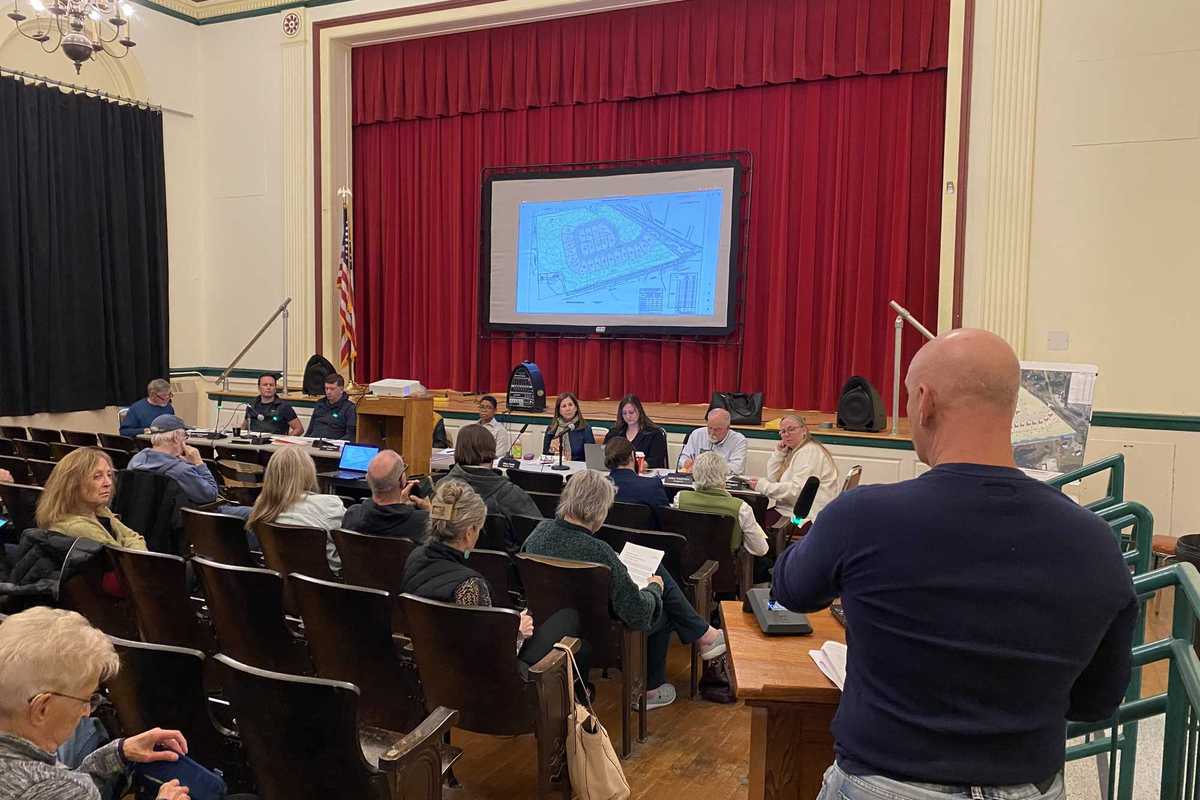
Mayor Jenn Najdek presented preliminary findings from a water rate study produced by engineering firm Tighe & Bond at the Board of Trustees’ workshop meeting on Monday, Nov. 9. The study outlines a potential usage-based fee system, at a rate of $4.50 per 1,000 gallons of water used per quarter plus a flat rate based on the size of a user’s water meter.
Najdek specified the rate changes are still in their early stages, and expected the full board to have multiple public discussions of the plans in the coming months. Trustees Dave Sherman and Katie Cariello were the only board members present at Monday’s meeting.
The changes to billing aim to make water service costs more equitable across the village by curbing underpayments from high intensity users. Under the current system, customers pay a flat rate per quarter based on the use of the property. Residential users pay $115 per quarter and businesses pay $165 per quarter.
“We’re going to get away from billing commercial and residential separately,” Najdek said.
The current rates do include usage fees, but only after a customer uses more than 25,000 gallons in a quarter. Residential users that exceed 25,000 gallons per quarter pay $2.34 for every additional 1,000 gallons used and businesses pay $4.68 for every additional 1,000 gallons.
An average typical residence uses about 10,000 gallons per quarter, according to the Tighe & Bond study. With the proposed rate schedule, the average user would pay about $163 on their quarterly bill. That includes a $117.50 flat fee for the home’s water meter.
The study also examined costs for typical low and high water users. At the low end, estimated at about 3,000 gallons of water used per quarter, customers would pay about $131 on their quarterly bill. A typical residential high user, estimated at just under 50,000 gallons per quarter, would pay about $328.
“Those are — I would say — fairly nominal,” Najdek said of the proposed fees. “Not a huge jump considering it’s been six years since we increased it.”
The preliminary numbers did not include estimates for commercial users, but it did detail proposed meter fees for the range of meter sizes in the village. Of the village’s 488 water customers, 435 are residences using five-eighths-inch or three-quarter-inch meters, 10 use 1-inch meters, 2 use 1.5-inch meters and 2 more use 2-inch meters. There are 39 customers who have not installed water meters on their property.
The rate study proposes 1-inch meter users would pay $293.75 in meter fees, 1.5-inch meters cost $411.25 quarterly and 2-inch meters would cost $470. Unmetered customers would pay a flat $327.88 per quarter regardless of usage.
The study estimates the new rate schedule could raise a total of $373,749 in revenue from a combination of meter fees and usage charges. The village’s water district brings in a little under $360,000 in customer revenue annually under the current flat-fee billing system. Najdek said one goal of the billing changes was to keep the water district “revenue neutral” while providing a mechanism for the village to increase revenue incrementally to address costs.
“We will likely do a cost increase of around 3%,” Najdek said, adding that the numbers were not final and future cost increases would depend on the needs of the water district.