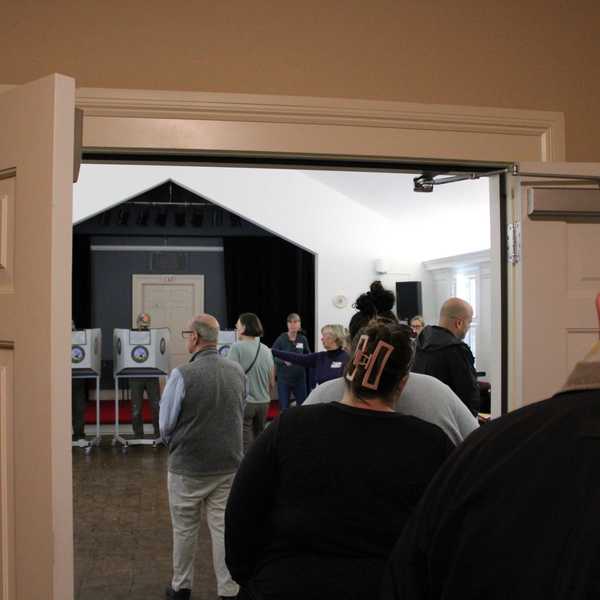
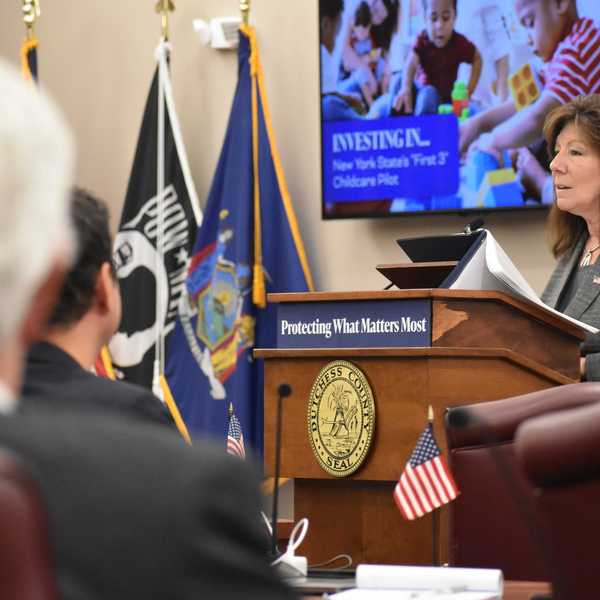
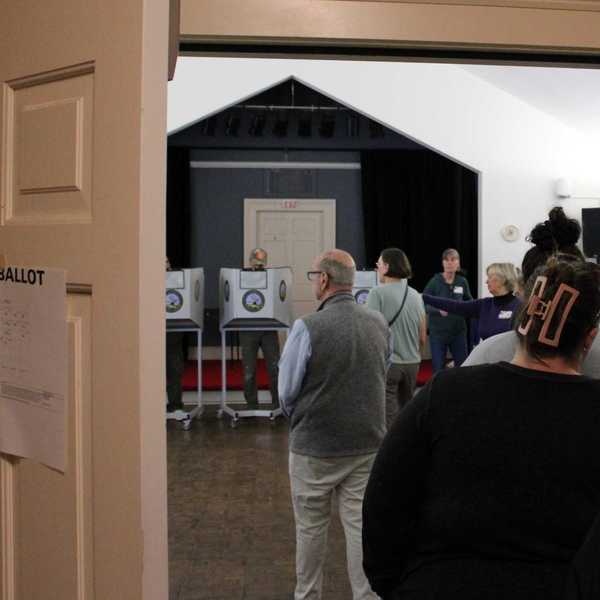
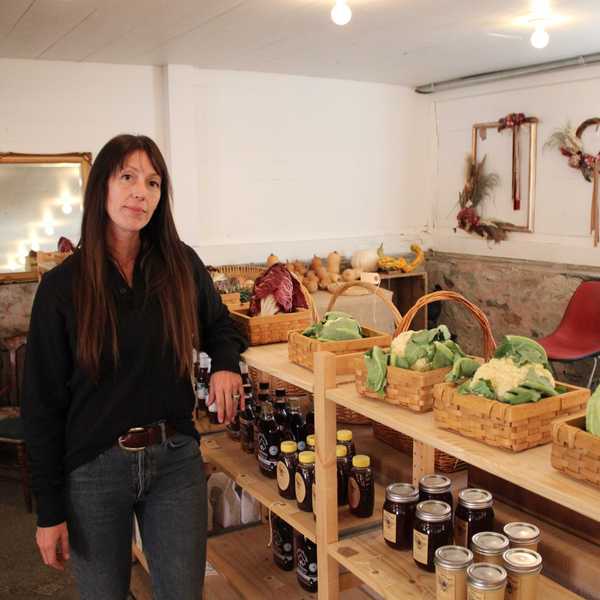
A crowd gathered in Amenia’s Fountain Square to honor slain conservative commentator Charlie Kirk on Friday evening, Sept. 12. Amelia Bailey, right, of Amenia said she organized the gathering just after news broke of the shooting that killed Kirk on Sept. 10. About 40 people gathered at the square with candles and signs, Bailey said.


Latest News

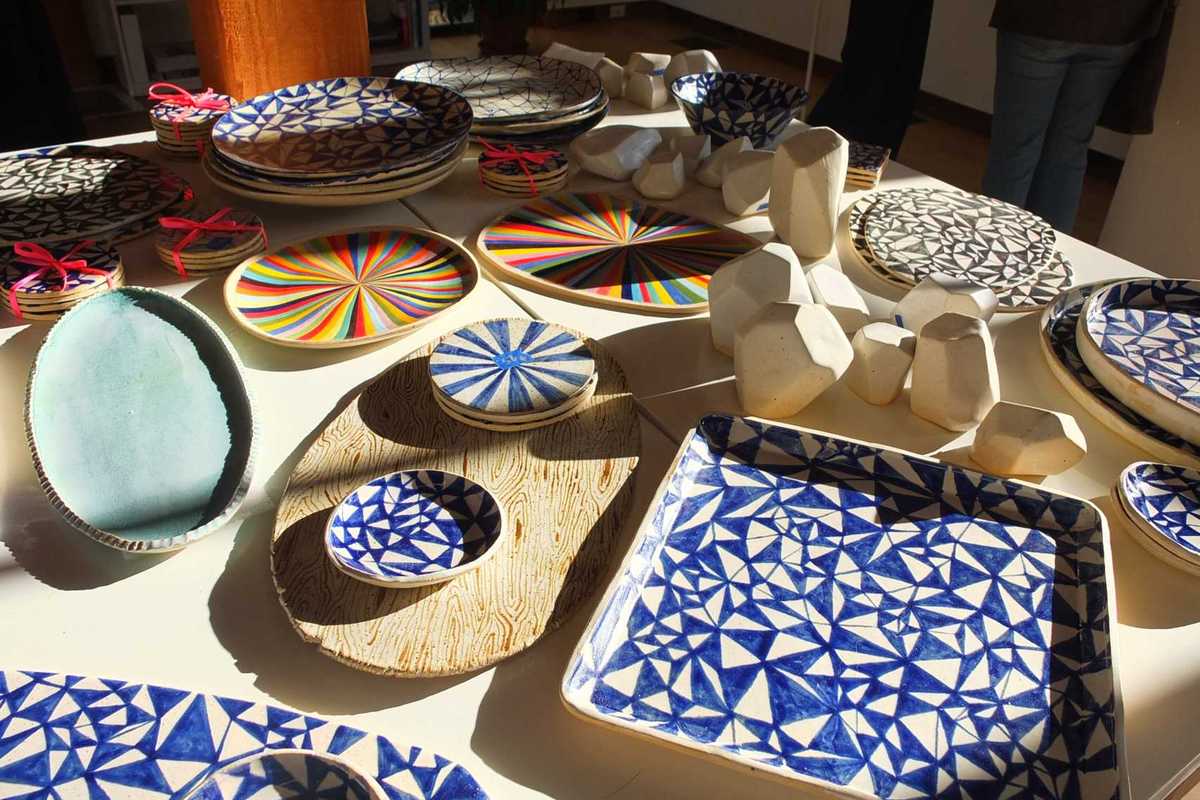
Kenise Barnes Fine Art presents “Cool & Collected ’26,” its annual exhibition celebrating the joy of collecting, featuring works priced under $2,000.
D.H. Callahan
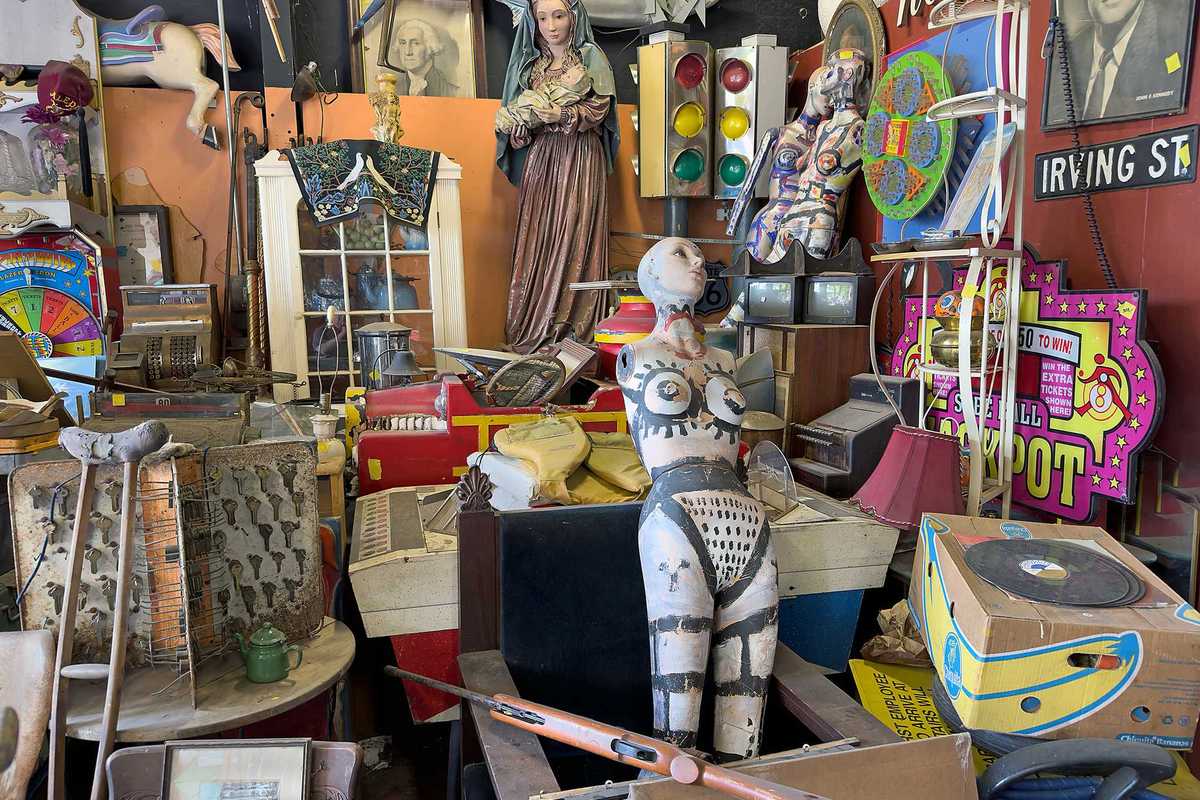
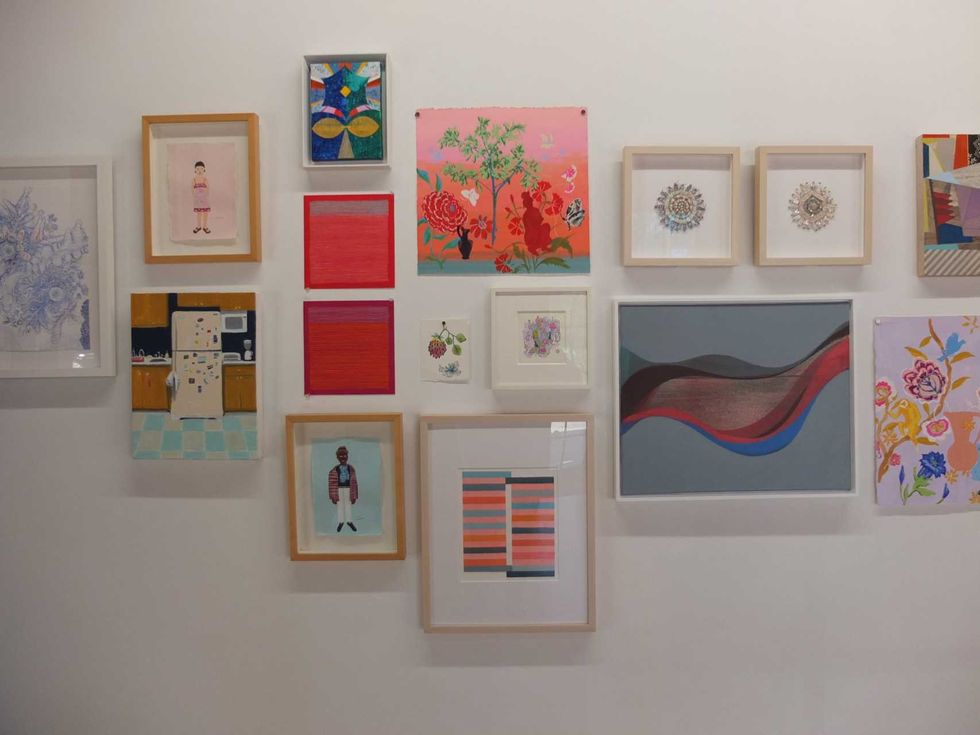 Part of “Cool & Collected” at Kenise Barnes in Kent.D.H. Callahan
Kenise Barnes, the gallery’s owner, has been gifting art to friends and family for years. Now, many of them have their own personal collections, with works carefully selected for and by them.
It’s not just aspiring collectors who benefit from this kind of show. Smaller price tags can often mean less pressure on the artists, giving them more to experiment.
“This exhibition encourages artists to play and explore while giving visitors the opportunity to acquire original artwork at an approachable scale and price,” Barnes said. “It’s a celebration of creativity, generosity, and the pleasure of living with art.”
Across the border in Millerton, a similar exhibition is up at The Re Institute. Artist and gallery owner Henry Klimowicz has curated a show that features more than 400 original works of art from more than 200 artists, all priced under $750. The exhibition is a continuation of an accessible art show put on by LABspace in Hillsdale, which routinely had more than 300 pieces in its small, two-room gallery. Klimowicz has also hosted an art gift shop at the Re Institute, with moderately priced art as the shop’s inventory.
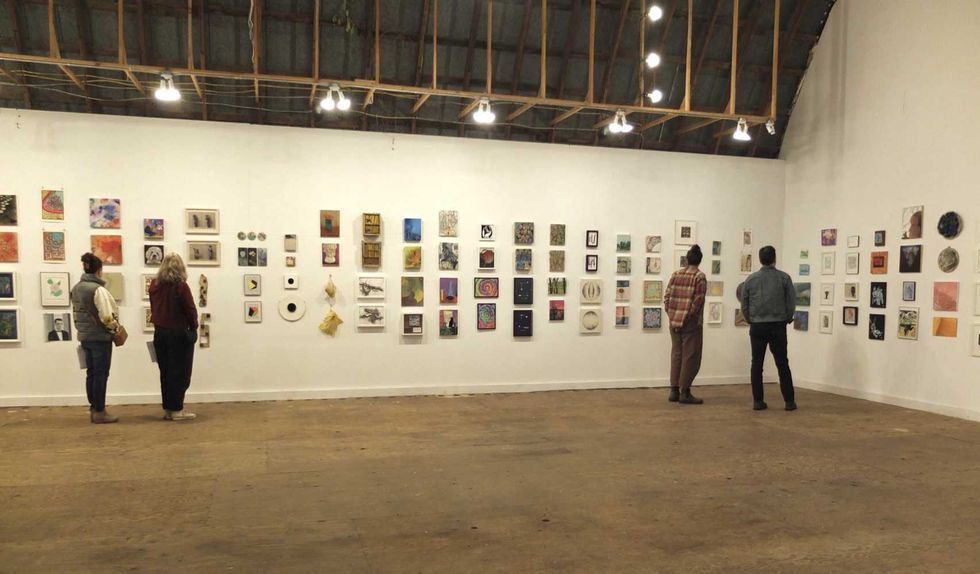 The Re Institute’s Holiday Show features more than 400 works by over 200 artists through Dec. 6, with a closing party from 1 to 4 p.m. that day.D.H. Callahan
Klimowicz understands that even more moderately priced art isn’t necessarily any more accessible to all audiences. The first hurdle, he said, is that “buying art is a privilege. If you’re worried about buying groceries, you’re not buying art.”
With more and more people worried about groceries, the art market’s growth potential seems at least temporarily stunted.
The second hurdle is finding something that speaks to you.
“You have to decide that you like this unique thing. In America, we buy a lot of stuff. Almost everything we buy, we can count on the fact that we’re not the only person buying it.”
But when it comes to art, especially from emerging artists, there’s no market confirmation that what we’re buying is any good. You have to go out on a limb and trust your own taste to guide you.
“You can come here and you can purchase something truly unique, and that takes guts.”
For more information and gallery hours, visit kbfa.com and thereinstitute.com.
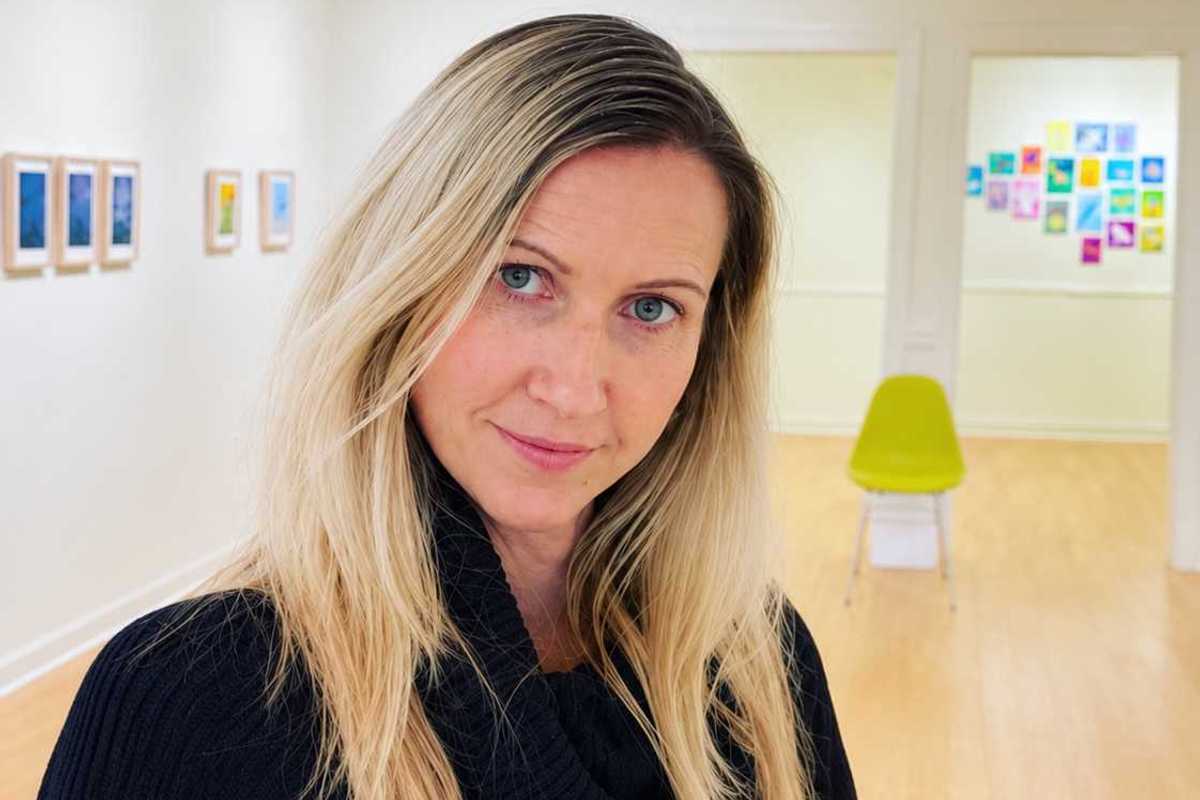
Jennifer Terzian, founder of Jennifer Terzian Gallery in Litchfield.
Provided
“I don’t really consider myself a traditional gallerist,” explained Terzian, a Southern California native who moved to Connecticut in 2008. “I see myself more as an artist advocate.”
Established in 2021 as a platform to promote the work of emerging and mid-career artists, Terzian’s gallery has grown into one of Litchfield County’s most compelling launching pads for contemporary art. Focusing on drawing, works on paper and paintings in ambitiously varied visual vocabularies, the gallery has built a reputation for its devotion to the artists’ methods, tools, materials and critical thinking. Terzian has also cultivated a niche rooted in an ethos that favors intense tactile engagement over sheer wall acreage.
“The gallery is really meant to create a very intimate relationship with the artist and the story behind their work,” said Terzian, who has spent two decades organizing exhibitions in galleries and museums and taught art history and museum studies at Miss Porter’s School in Farmington for six years. “It’s always very much about the process and I think the artists and the visitors to the gallery really recognize and appreciate that focus.”
That commitment to creative rigor is raising Terzian’s profile among art institutions. The gallery’s acceptance into the New Art Dealers Alliance (NADA) earlier this year marked a significant milestone, cementing its place within an international network of contemporary galleries and arts professionals dedicated to supporting vanguard talent.
“Her innate enthusiasm allows artists to test out new bodies of work on the walls in a supportive environment, creating space for both joy and growth,” explained Rebecca McNamara, chief curator at the Mattatuck Museum.
Jenny Kemp, whose solo exhibition “Reverbs” runs through Dec. 12, echoes that sentiment: “She encourages artists to lead in shaping their exhibitions and the installation, giving them the freedom to respond to the space and bring their own vision to it.”
While Litchfield County has long attracted creative minds, Terzian’s arrival in 2021 coincided with a period of cultural momentum, allowing her to tap into an expanding cadre of local talent. The gallery’s roster bridges mid-career artists such as Fritz Horstman, Kristin Lamb and Richard Pasquarelli, who have exhibited their work in museums, galleries and art fairs throughout the U.S. and Europe.
Yet her programming also crosses geographic boundaries seamlessly, bringing work by painters and paper-makers from Brooklyn, Providence, Berlin as well as artists working in established studios across Connecticut.
 Jennifer Terzian’s gallery showcases emerging and mid-career artists, with a focus on drawing, works on paper and painting.Provided
Recent exhibitions highlight Terzian’s curatorial leanings toward precision and patience over hyper-commerciality. Jessica Smolinski’s mixed-media works probed memory and time through photography and textiles, while Aliza Morell employed holographic streamers against flat fields of color transferred to canvas via a layered material process. China-born artist Jenny Wu, who studied studio art at Hobart and William Smith Colleges and American University, poured and layered liquid paint until it took on dense, sculptural forms.
“The space feels like you are leaving the day’s responsibilities behind and entering a world of serenity,” said Wu, whose paintings explore composition, color and materiality. “Stand there, look at the works, feel them, and let them consume you for once.”
Terzian advocates for a more intimate scale to help amplify impact and says the diversity of aesthetics allows her to build a space tailored to creative rhythms of the artist. “It fosters a better dialogue between artist, curator and collector.”
The gallery’s momentum coincides with a broader revival across Litchfield. The recent arrival of three boutique hotels — The Abner, Belden House and Lost Fox Inn — has brought a steady influx of younger, design-conscious travelers to Connecticut’s northwest corner, energizing the town’s cultural landscape.
“I love for people who are new to Litchfield to walk down those stairs to my gallery and just come inside and just be educated about the artists and their work,” Terzian reflected. “Whether or not they walk away with purchasing something, I just think the experience of coming into a space and not feeling intimidated is valuable.”
For more information, visit jenniferterziangallery.com.
Troy McMullen is a former Wall Street Journal reporter in Berlin and New York and currently an executive editor at ABC News. His arts and culture reporting appears in several New England publications, including Litchfield Magazine, New England Home and Connecticut Magazine. He splits his time between Manhattan and a weekend home in Litchfield, adjacent to the Hauser Nature Preserve.

Want more of our stories on Google? Click here to make us a Preferred Source.
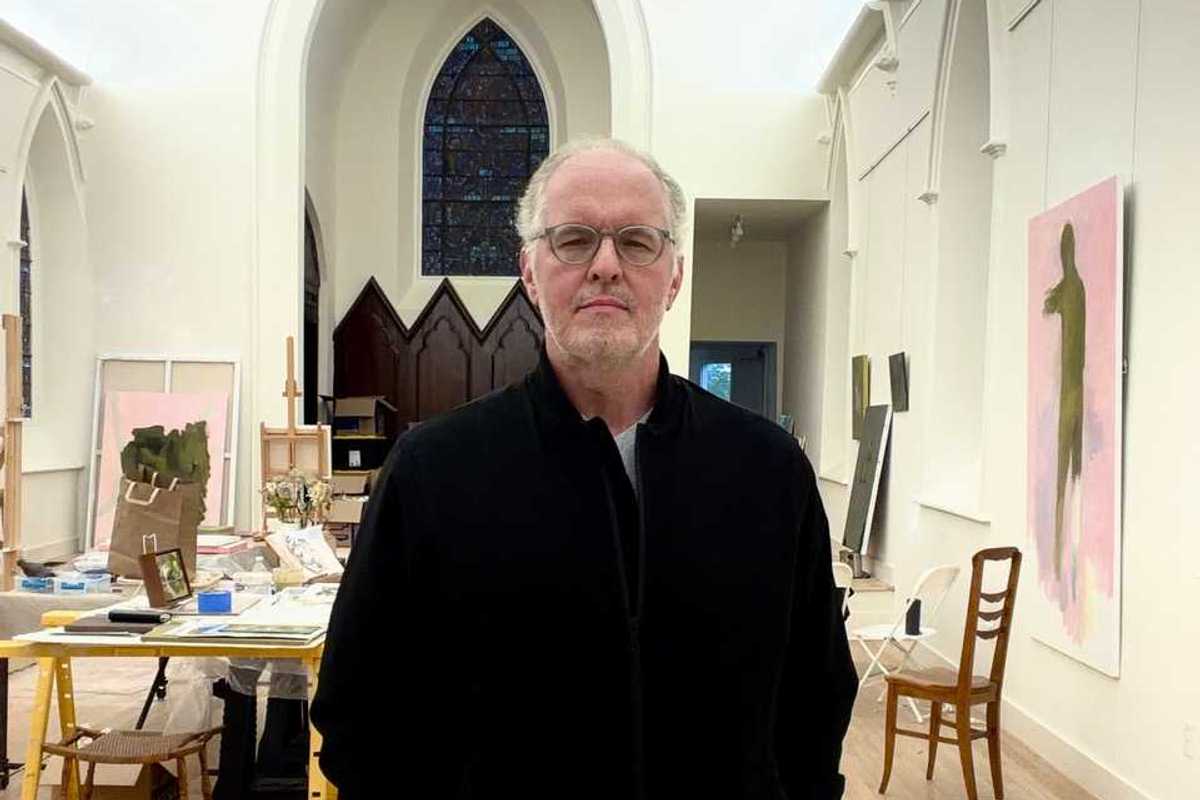
Peter Cusack in his studio.
Provided
Cusack recently moved his painting practice from Torrington into the former church at 58 Main Street. The move came about somewhat unexpectedly, after a change in ownership made his previous studio untenable.
“At first I thought it was just gonna be too much,” Cusack said. When he first saw it, the building still looked unmistakably like a church, with its vaulted ceiling, stained glass and architectural details intact. It had served as a place of worship for generations before closing roughly 12 years ago.
But the space began to make sense.
“I’m very philosophical, very spiritual, very humanistic,” said Cusack. “And so for me to be in a church sort of fits.”
Cusack still lives in West Cornwall, where he has a garden he describes as mature and beautiful, along with a saltwater pool. The church is strictly a working studio, though he hopes to bring students in and occasionally invite other artists to exhibit alongside him.
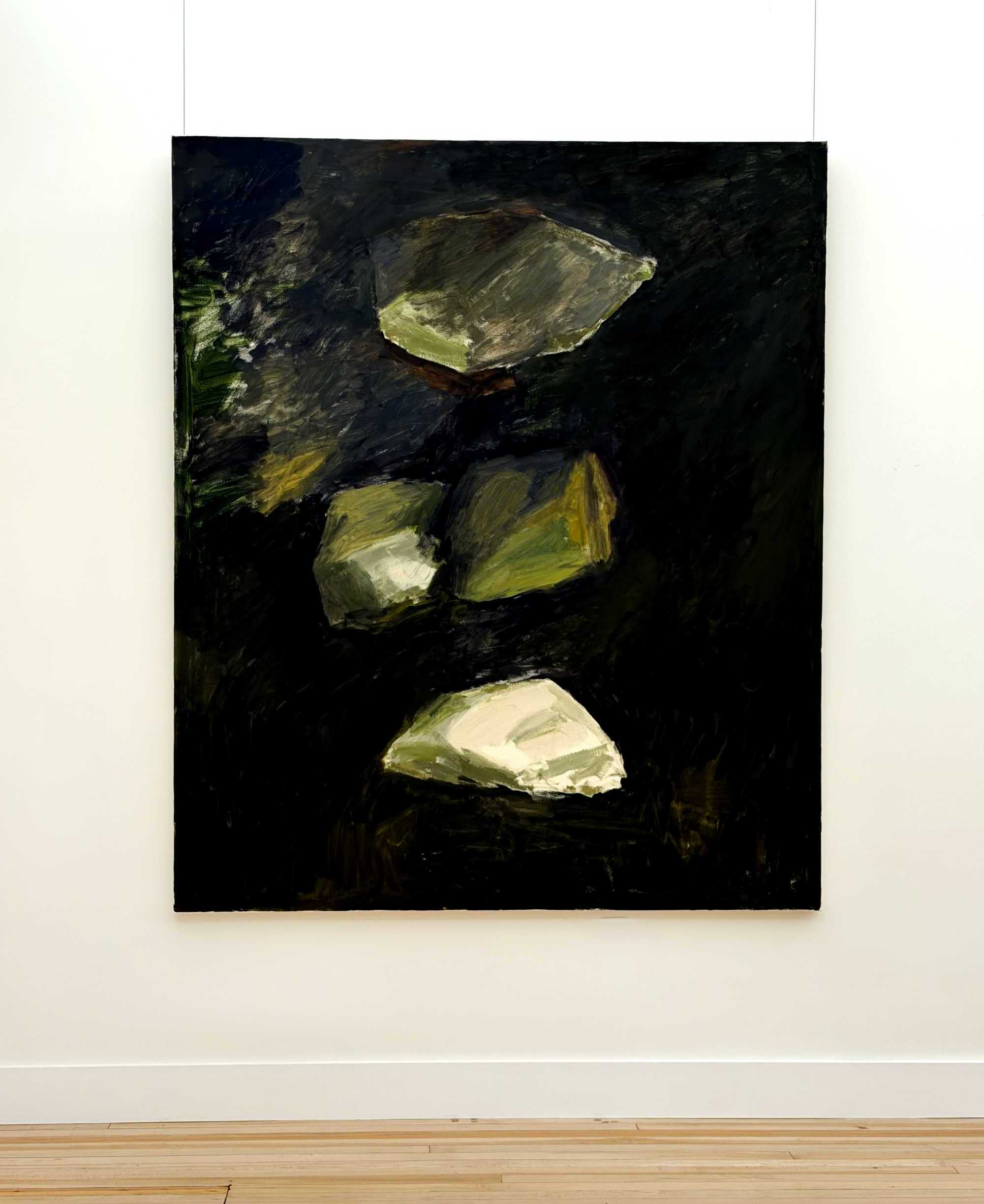 “From Ground to Gravity,” 2026, Oil on Canvas, 77 x 65 inchesProvided
As with every studio, Cusack says, there is a particular direction and position that feels right for painting. In the church, he gravitated toward a spot where the geometry of the building creates a distinct rhythm, near where the pews once ended, before the altar.
“I can already see the arc of the dome involved in my work,” he said.
The first painting he made in the new space, “Prophets and Proverbs,” grew out of three forms he encountered during his morning meditation at home. After drawing and reflecting on them, he came to understand them as expressions of different aspects of maturity: “ego, strategy, agency.”
The exhibition’s title comes from “Nature Eternal,” a painting of a young nude figure in a pink field that evokes, for Cusack, the Garden of Eden and an idea of bliss and perfection. “The Narcissist,” by contrast, considers what happens after that innocence is lost: the arrival of consciousness, self-awareness and the search for identity.
Two paintings of swimmers explore another dimension of that relationship. In “I Will Love You Completely,” Cusack sees a figure reaching outward from the canvas almost like an angel. “It’s a message from the divine,” he said. In another painting, the swimmer appears to be held by the water, suggesting the possibility of being held by something larger than ourselves.
Having grown up in New York, Cusack says his relationship with the natural world has deepened since moving to northwest Connecticut. He thinks about the glacier that passed through this region, leaving stones behind that have remained through countless chapters of human history. In a painting of stones, Cusack considers the wisdom of the landscape and the extraordinary passage of time. “To me, that’s an eternal wisdom.”
Cusack regularly visits the Metropolitan Museum of Art, where he sits in the sculpture galleries, contemplating and drawing the figures.
“Drawing is just a way of looking and continuing to look,” he said. “It just helps me ground myself and be very present.”
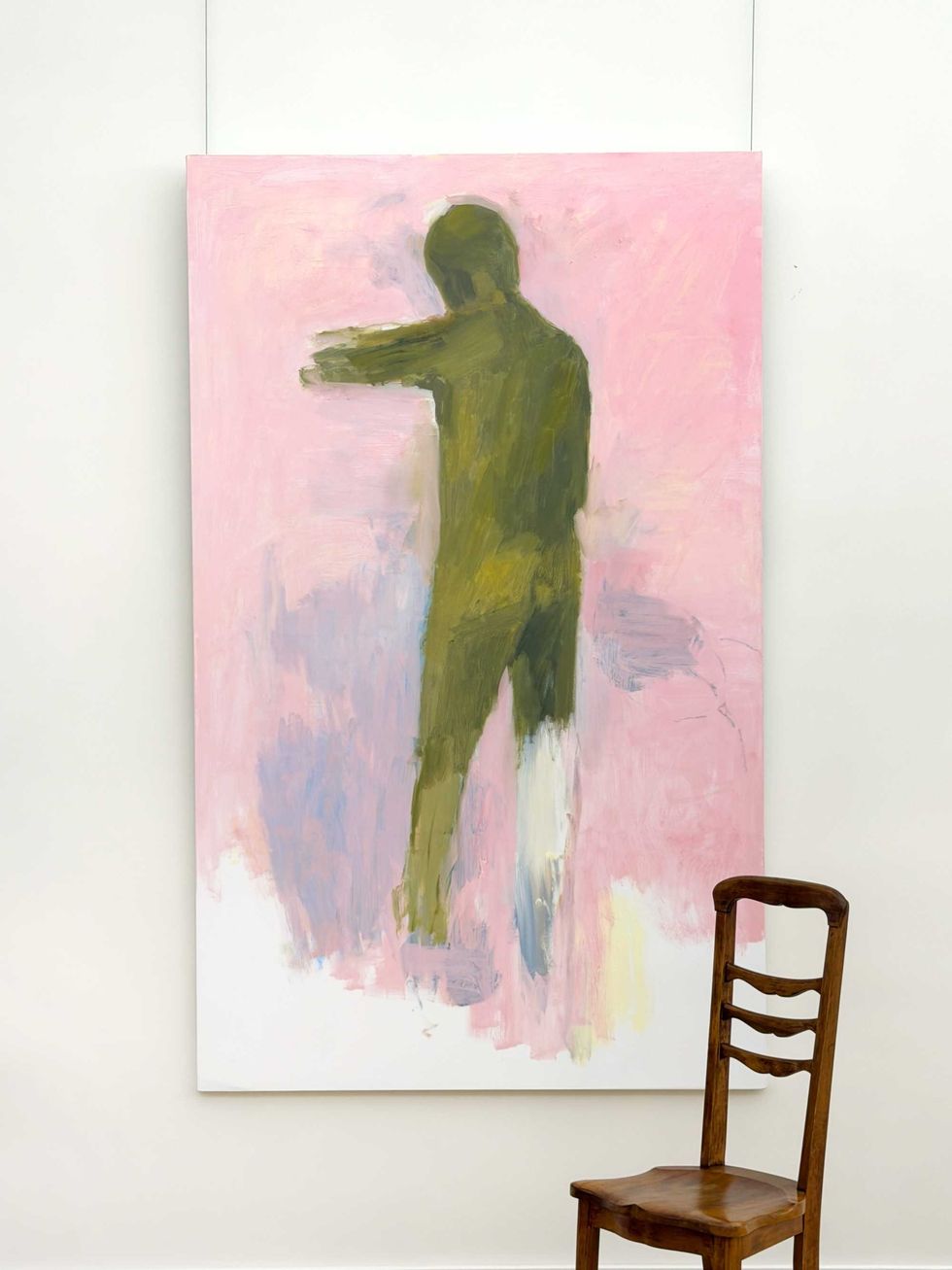 “Nature Eternal,” 2026, Oil on Canvas, 77 x 47 inches.Provided
That practice of extended observation can be seen in the paintings. At first glance, Cusack’s color palettes can appear remarkably simple, sometimes almost monochromatic. But the longer one spends with them, the more they open up. Subtle shifts in tone and color begin to emerge, deepening and expanding the visual experience. What initially seems restrained becomes increasingly expansive as the viewer gives the work time and attention.
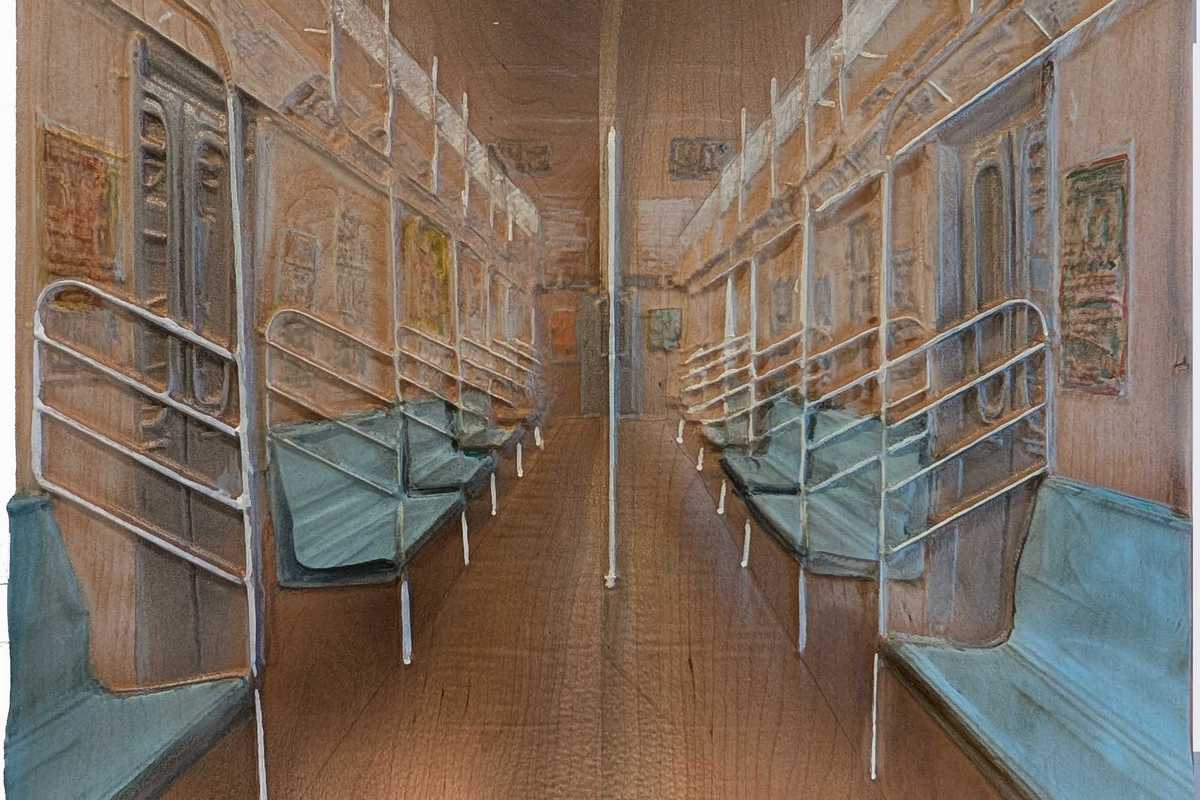
Before turning fully to painting, Cusack spent 12 years as a commercial artist represented by Morgan Gaynin Inc., where his work became known for its emotive storytelling. His paintings have appeared in Architectural Digest, Veranda, New England Home and Litchfield Magazine, among other publications, and are held in the collections of the United States Air Force, the New York Transit Museum and the Society of Illustrators. His training included an MA at Syracuse University and a year of classical study in France’s Loire Valley with a master painter who was also a former Zen monk.
The church, meanwhile, has its own layers of history. During the many repairs required after Cusack moved in, a plumber mentioned that he had been married there. His wife had since died, and Cusack asked whether he was sure he wanted to return to the building. He was.
It is a small story, but one that seems to resonate with Cusack’s interest in the passage of time and the histories held by places and objects. Although he says he doesn’t feel a particular presence in the church, he is conscious of its history and of the community for whom it was once a gathering place.
For now, he is looking forward to welcoming people into his new studio and seeing how they respond to the paintings. “Interacting with the work” is important, he said. “It always feels good to have people in your studio space.”
“Eternal: New, Recent and Near Distant Paintings” will be on view Nov. 13–15, from 1 to 5 p.m., at 58 Main Street (the Stone Church) in North Canaan. An opening reception will take place Saturday, Nov. 14, from 4 to 7 p.m.
Want more of our stories on Google? Click here to make us a Preferred Source.