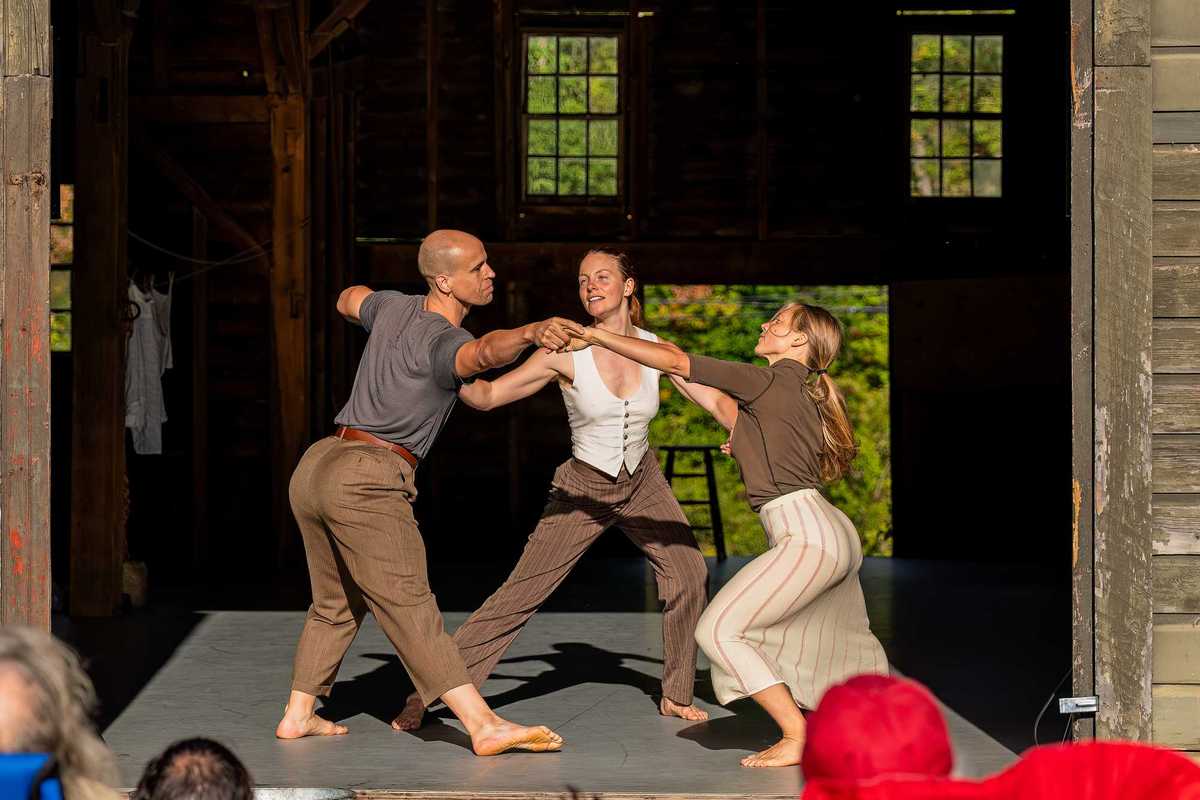
PINE PLAINS — Children and families from across the Taconic region learned the cultural dances of Chihuahua, Mexico, as part of a series of events geared toward children throughout the summer.
Karina Powers of Red Hook’s Dance and Theater Arts Center and the Stissing Center for Arts and Culture held the “Dances of Chihuahua” workshop on Saturday aimed at teaching children in the community about Hispanic dances and culture.
Powers is a professional dancer and singer who received her master’s degree in Mexican Folklore Dance from Escuela de la Danza in Baja, California, Mexico. She is an active member of the Millbrook community where she teaches classes that educate people on Mexican culture and performing arts.
The workshop was held at the Stissing Center for Arts and Culture’s Banning Hall, where larger performances are held for members of the community. Powers began by showing families photographs of her history as a dancer and singer, as well as the traditional clothing worn by dancers in Chihuahua.
Powers said that as an artist you can learn to feel the energy from other people by seeing the emotions through their movement.
“I think it’s best for the people to get educated about folklorical dance from Mexico. It’s very important to me, because I do it with passion, with a lot of respect, and it’s what I want to show to them,” Powers said.
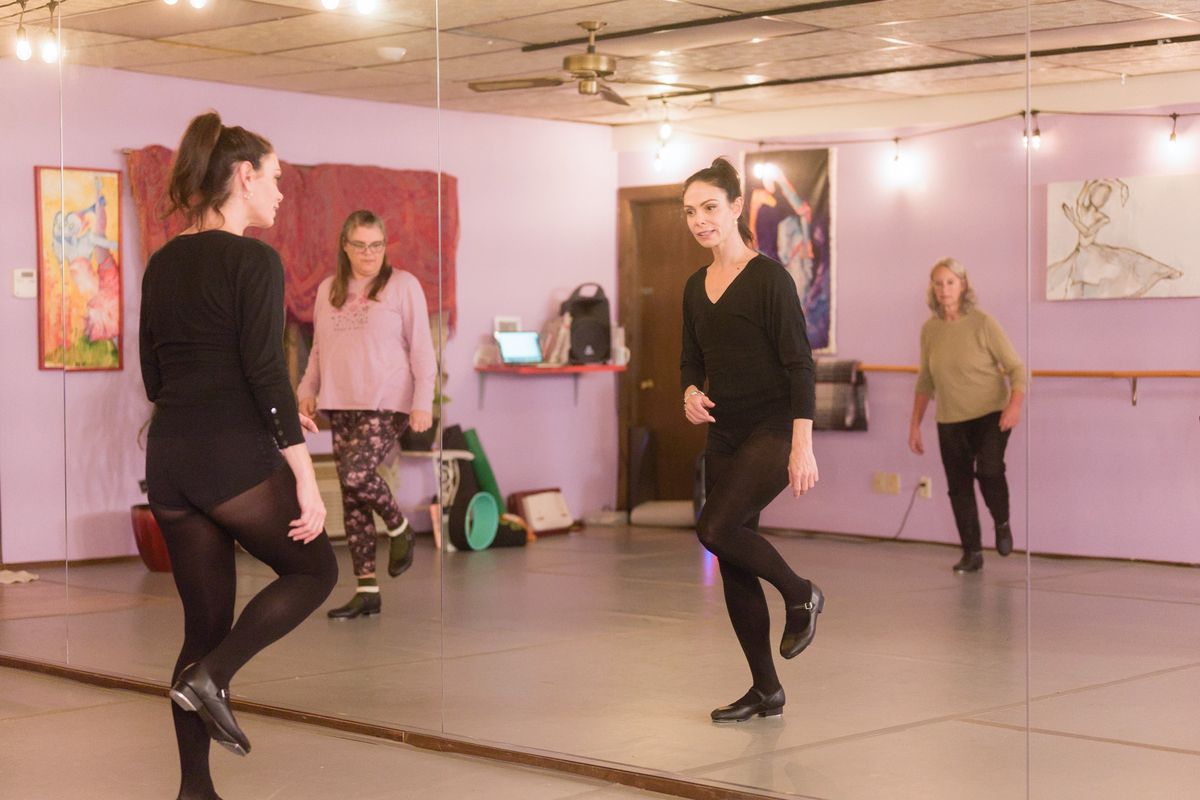
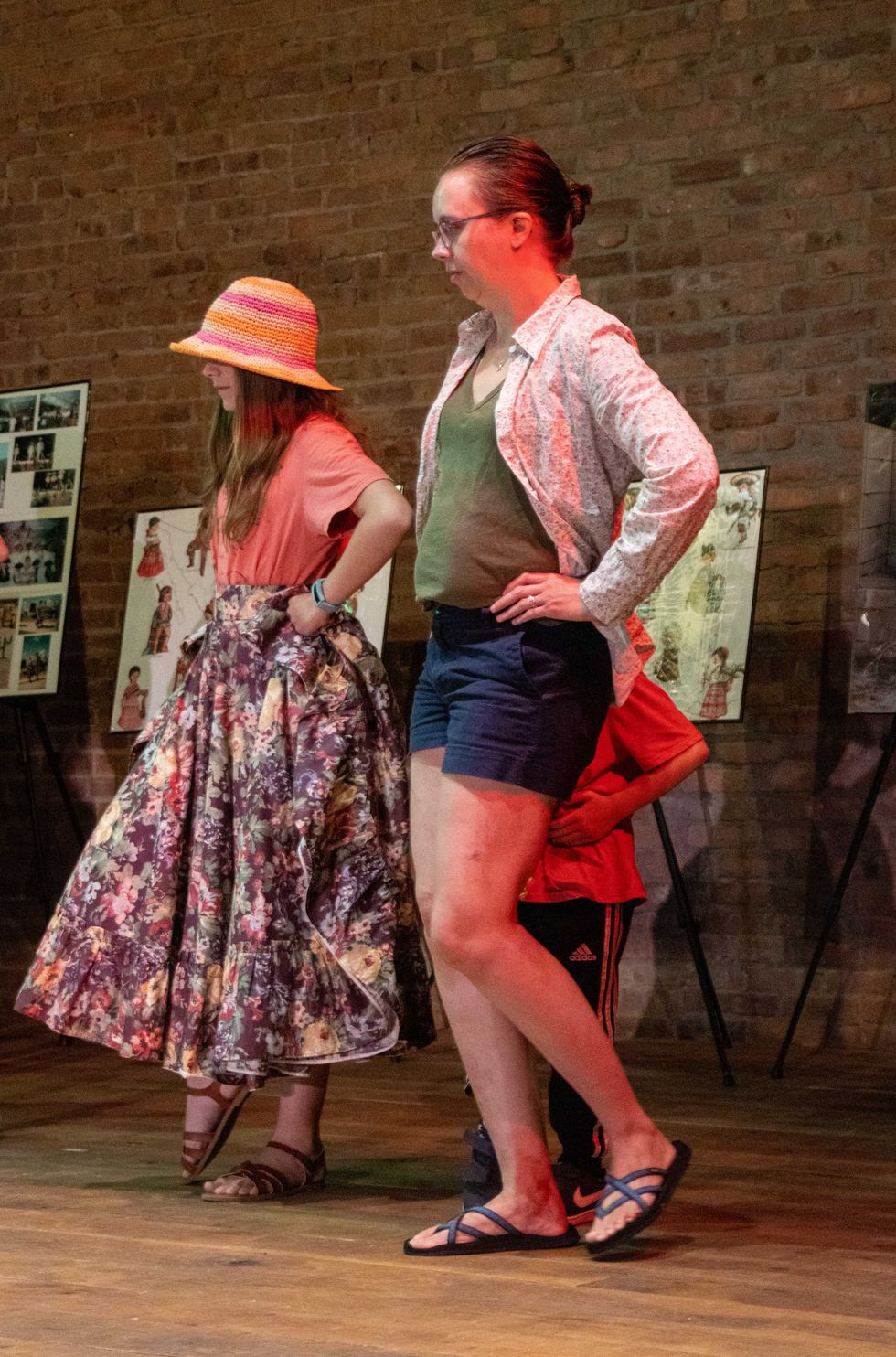 Beginner dancers learn some new moves during the Dances of Chihuahua event.Photo by Lucia Iandolo
As the workshop continued, families gathered on the stage as Powers walked through the steps while incorporating how they are historically important to the region of Mexico. The children and their parents were able to learn the dance while being immersed in the culture of Chihuahua.
Powers taught the families about folklorico shoes, the specific footwear that dancers wear for Mexican folk dancing. She explained that the footwear and clothing are important for dancers to safely perform fast-paced movement on wooden floors, and she allowed a child to wear one of the skirts during the workshop.
The “Dances of Chihuahua” event was held as part of the Stissing Center’s Summer Children’s Series, which is a program that includes diverse programming for kids. They have workshops, presentations, plays and educational events open to all children in the community and made possible by the Center’s donors.
Jose Vazquez Nava is an Event Production Intern at the Stissing Center. He said this event is important for community members in the Hudson Valley because it appeals to a culture that is not regularly showcased and involves children in more diverse programming.
“I think having these programs are so important, not only for children, but we could probably encourage kids who want to pursue dancing or a career in media arts,” Vazquez Nava said. “Centers like ours bridge that gap between a kid learning math or learning a new culture or art, which is very important.”
Powers showed the children and their families a choreographed routine with music while teaching them certain traditions that dancers follow. She explained that dance is not only physical, but emotional. She emphasized dancers making noises and screaming during their performances to get the audience’s attention and treat the performance like a celebration.
The Stissing Center for Arts and Culture’s Summer Children’s Series runs until Aug. 22, 2026. Each Saturday they hold free or “pay what you can” events sponsored by the Bank of Millbrook and Sugar Hill Farm. The events feature live music, storytelling and interactive workshops.
Powers said it is important to honor and respect this form of dance as it takes years to learn not only the artform, but the history behind it.
“Mexico is art, Mexico is history, Mexico is culture, and the way some people show it is not right,” Powers said. “For me, it’s very important to be educated because we have to take this with honor and respect.”


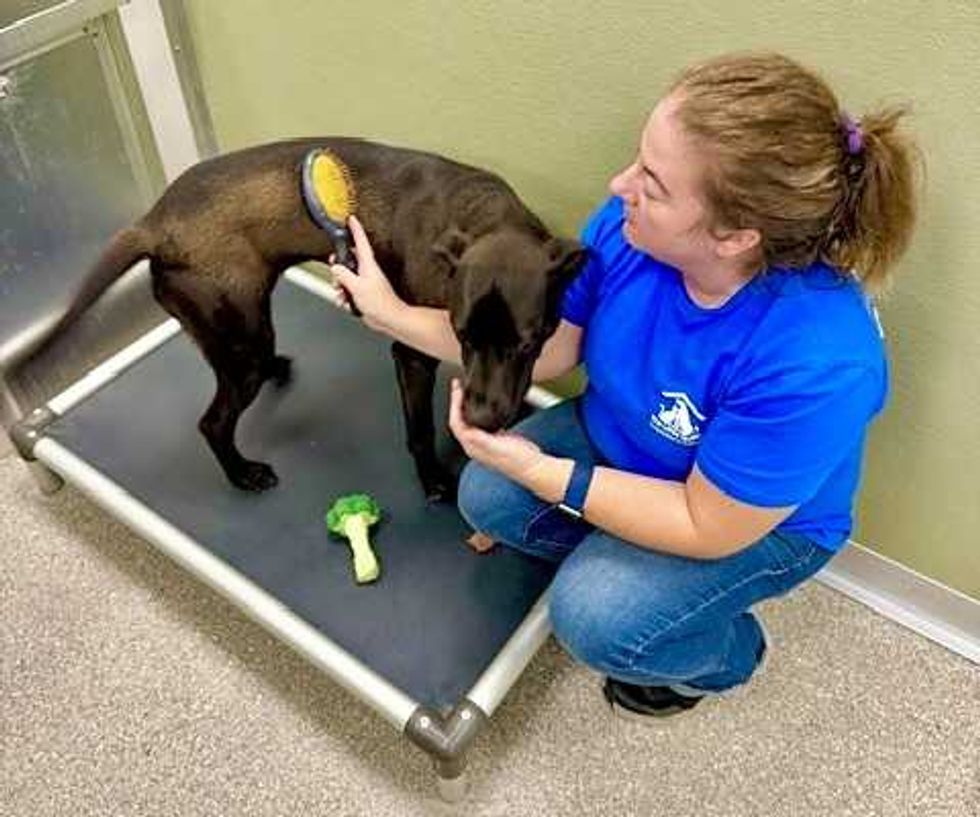 Tiffany Lemelin, shelter manager, brushing Marsala upon arrival.Provided
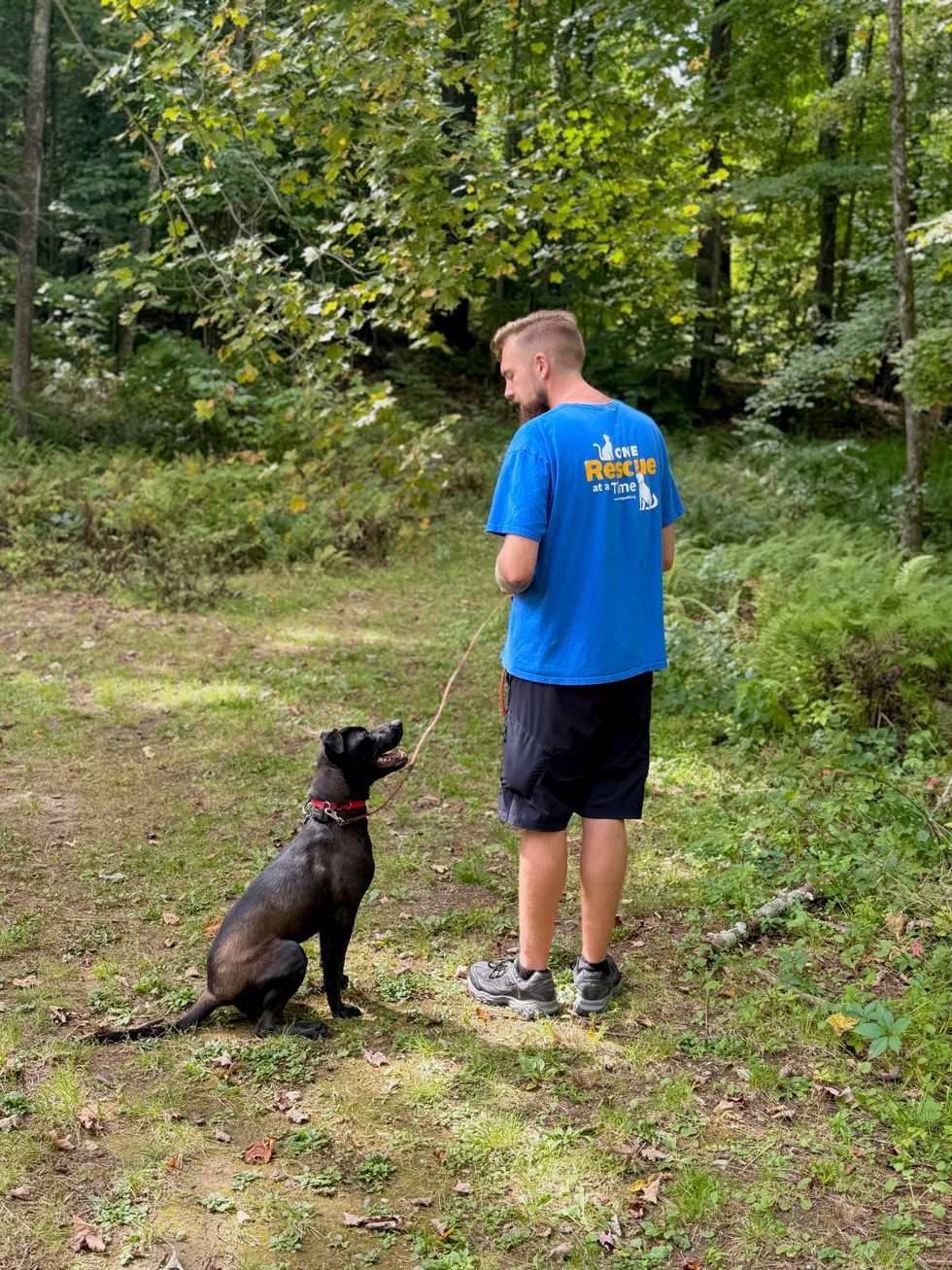 Michael DeBarba, certified dog trainer working with Marsala.Jennifer Almquist
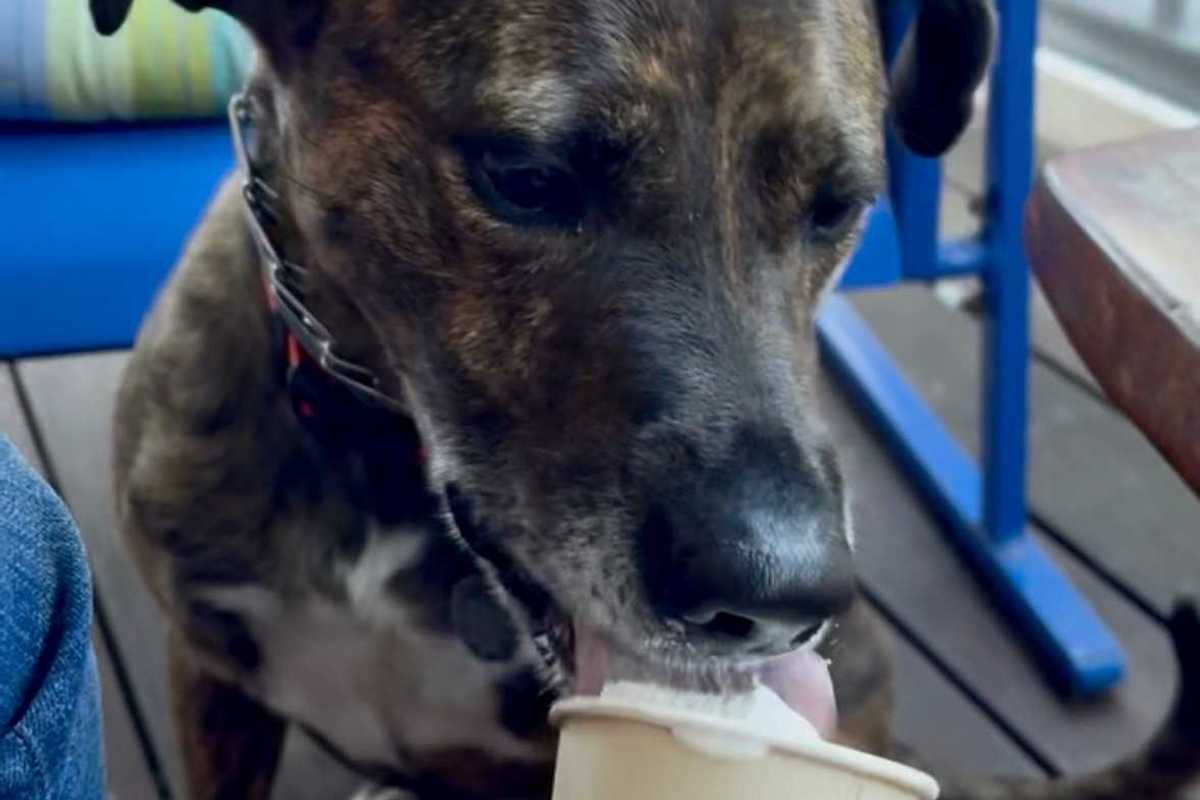
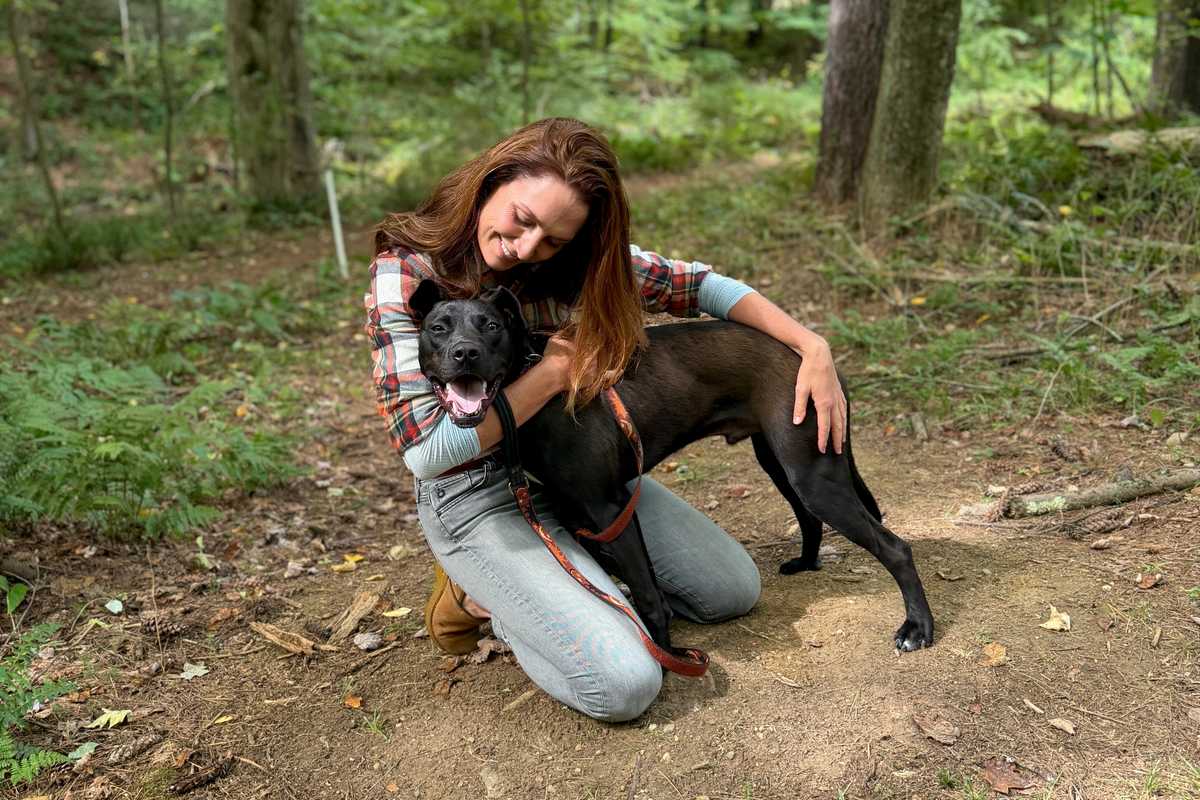 Marsala wins a heart.Jennifer Almquist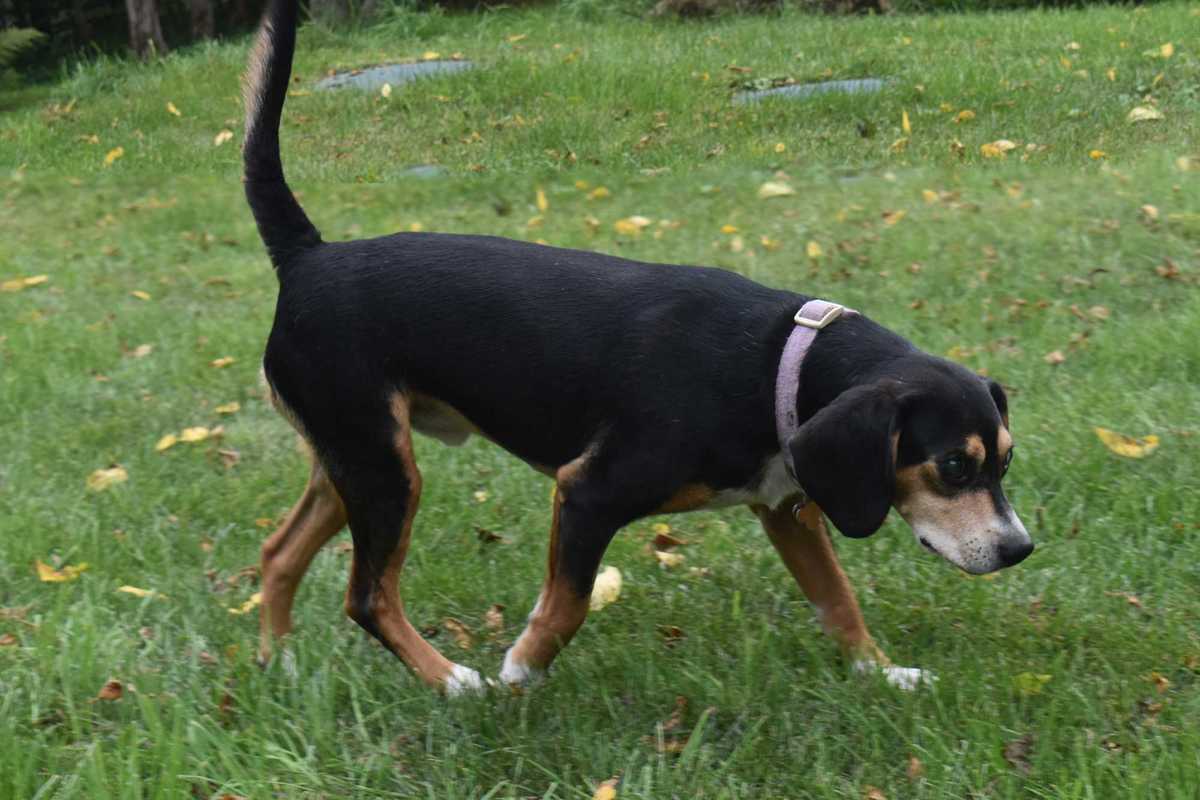
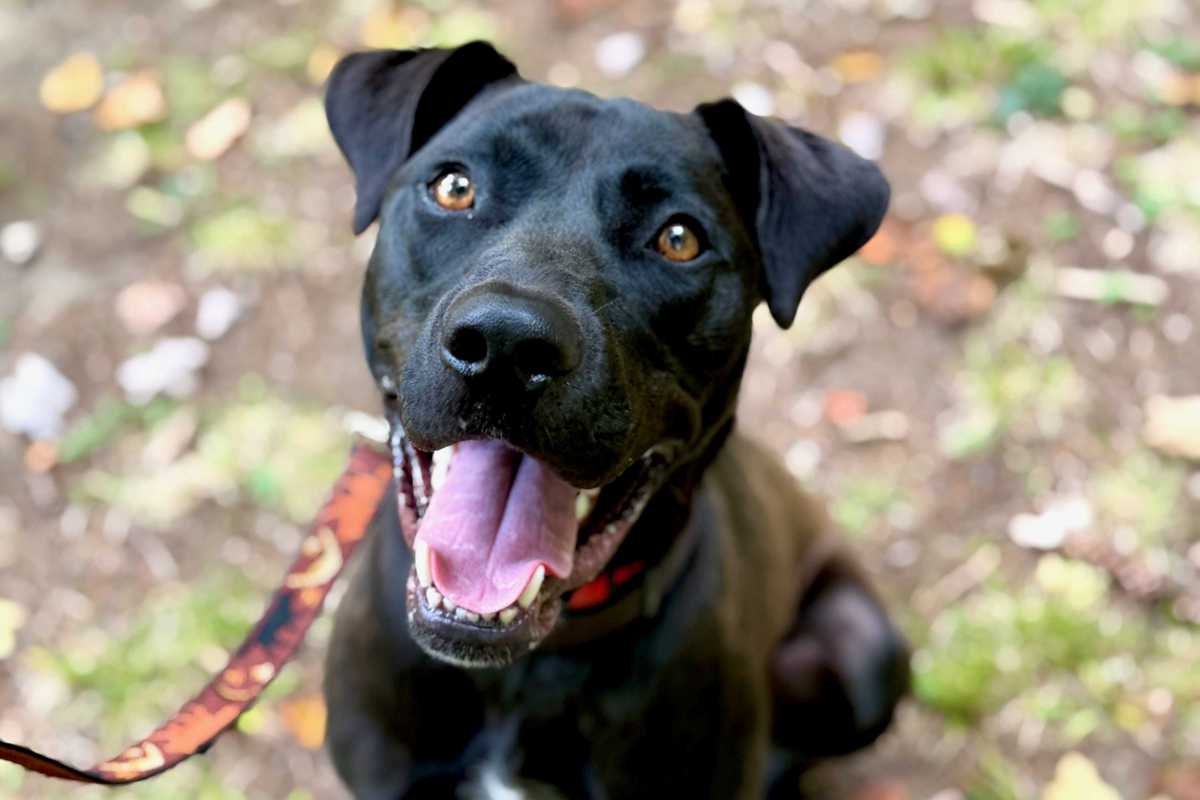
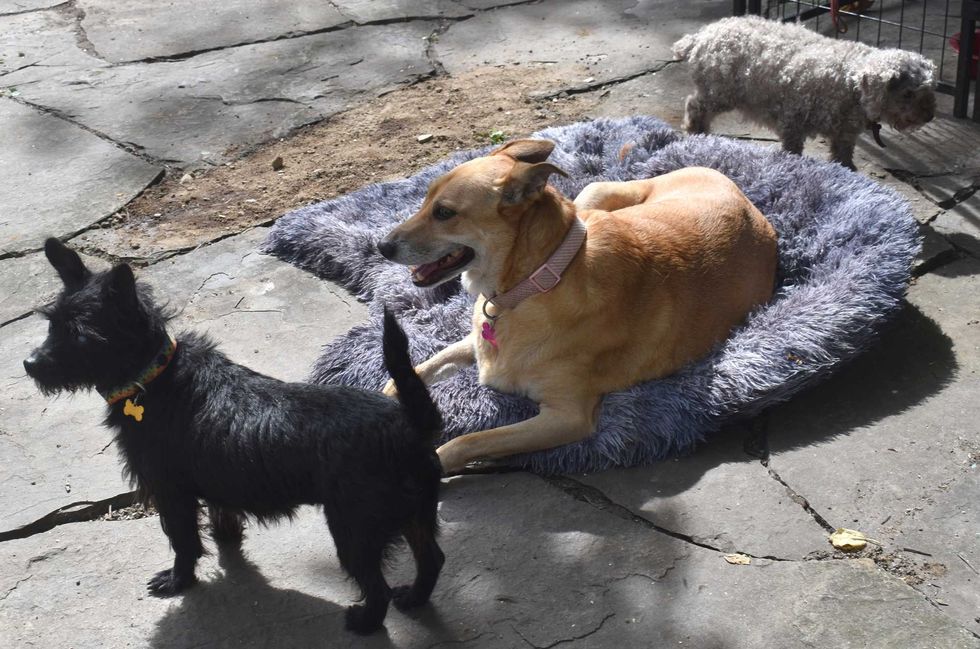 Sadie, center, a Carolina dog, plays with her friend Negra, a terrier mix. Bella Linda, the small poodle, has since been adopted.L. Tomaino
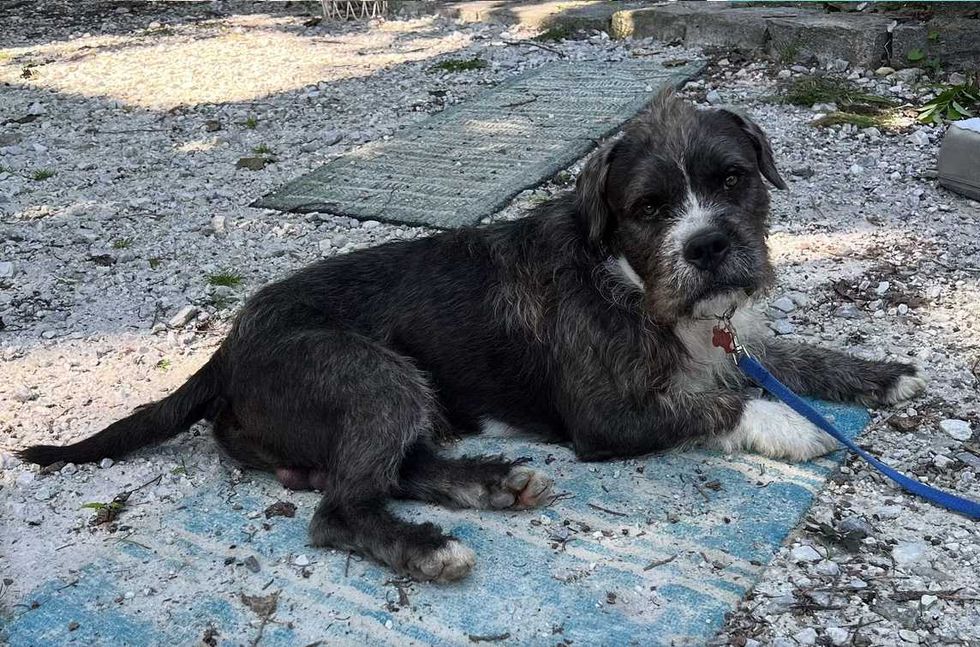 Wesley, a young, exuberant mix, is looking for an active home.L. Tomaino
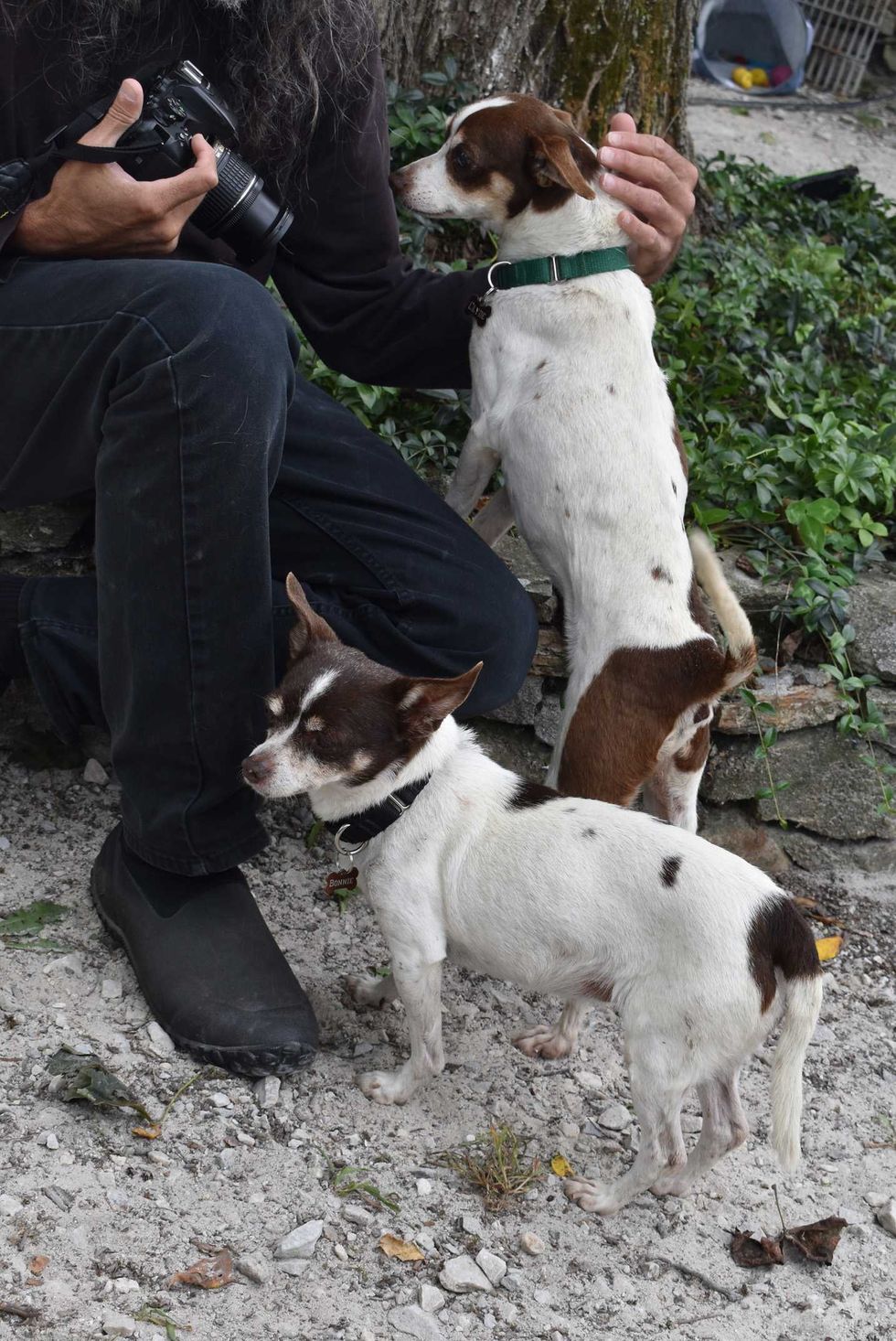 Bonnie and Clyde, an affectionate terrier pair.L. Tomaino