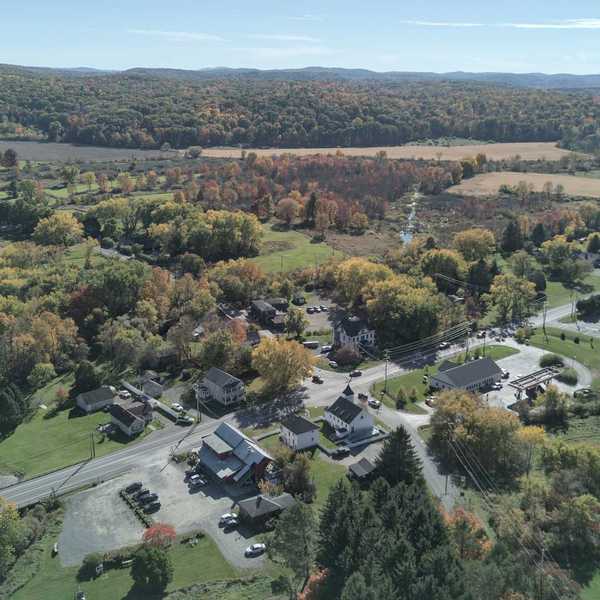
Desert winds rarely blow into the Berkshires, but on Nov. 5, they will carry the Malian blues and Moroccan Gnawa music to Race Brook Lodge.
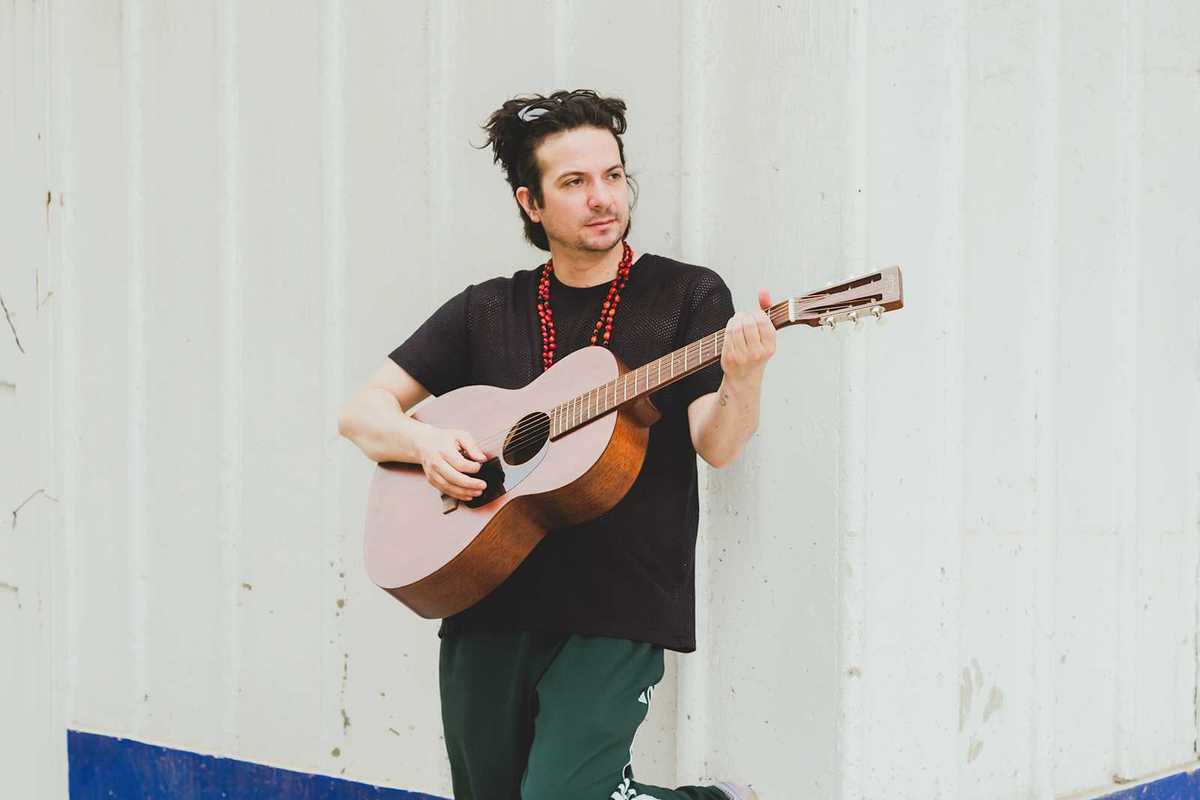
That evening, Malian guitarist Vieux Farka Touré, often called “the Hendrix of the Sahara,” and Moroccan musician Samir LanGus will play at the lodge’s Event Barn in Sheffield, Massachusetts, at a benefit for the foundation Touré directs.
Touré was born in northern Mali in 1981. His father, the renowned guitarist Ali Farka Touré, came from a family of soldiers and wanted his son to join the army. The younger Touré studied drums and the calabash and practiced guitar in secret. He earned his father’s blessing to pursue music shortly before Ali died in 2006, and they played two tracks together on Vieux’s debut album.
Touré is known for his deft, polyrhythmic playing, and his songs grow out of riffs that repeat and layer to hypnotic effect. He draws on rock, blues, Latin music and various African traditions. This distinctive blend builds on his father’s work adapting the sonic traditions of Mali’s arid north to the guitar.
Vieux’s album “Mon Pays” (“My Country,” 2013) honored Mali’s culture after Tuareg separatists and extremist groups seized the north in 2012. “Samba” (2017) was recorded before about 50 listeners in Woodstock, New York. In 2022 came “Les Racines” (“The Roots”), a return to his father’s desert blues, and “Ali,” on which he and the trio Khruangbin reworked eight of the elder Touré’s songs.
Touré leads the Ali Farka Touré Foundation, which focuses on cultural and educational work in Mali. Around the anniversary of Ali’s death, it holds a festival in Bamako, Mali’s capital. Bamako has been under blockade for much of the past year, besieged by JNIM, an al-Qaeda affiliate. Against this backdrop, Touré continues to carry the music of Mali to audiences abroad.
At the Nov. 5 concert, Touré’s desert blues will share the bill with Gnawa, the music LanGus plays, which developed in Morocco among West Africans who were brought north across the desert as enslaved people. Gnawa is religious music traditionally performed at all-night healing ceremonies called lila, intended to carry participants into trance.
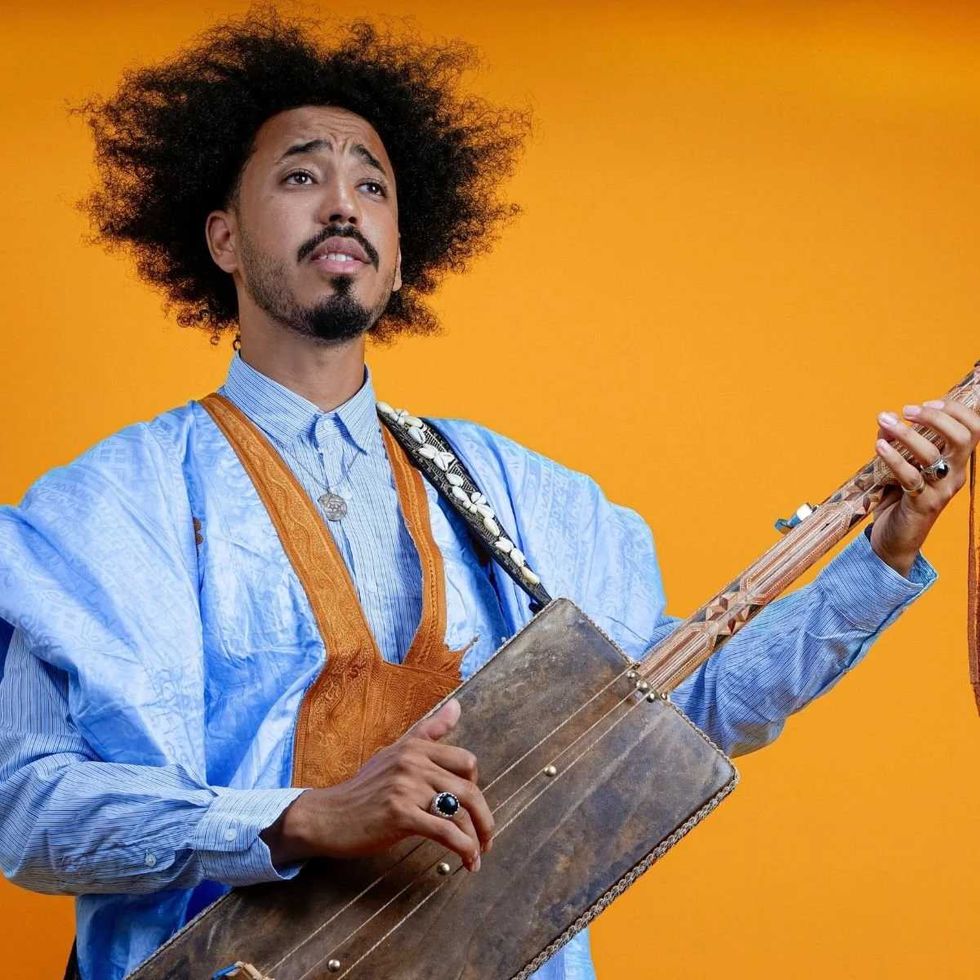 Samir LanGusProvided
LanGus was born and raised outside Agadir, Morocco, and began learning Gnawa from its masters at age 8. He plays the sintir, a three-stringed bass lute made of wood and camel skin. The player strikes a low string with the thumb to create a deep, resonant pulse. Iron castanets clatter over the sintir’s bass line, and vocalists trade call-and-response refrains.
LanGus infuses the tradition with jazz and improvisation. In New York, he founded the ensemble Innov Gnawa. His first solo album, “Gnawa Love,” came out in February.
Touré and LanGus’s Nov. 5 concert is one of the last public events at Race Brook Lodge, which is for sale and ended full-service operations at the end of 2025. The lodge’s final scheduled event, on Nov. 6, is an evening of Rumi’s poetry with translator and vocalist Haleh Liza Gafori, cellist Isabel Castellvi and ceremonial bard James Bird.
For tickets, visit rblodge.com.
James FitzGerald is a student at Yale Law School, where he focuses on ecological restoration and international environmental cooperation. He splits his time between Lakeville and New Haven.
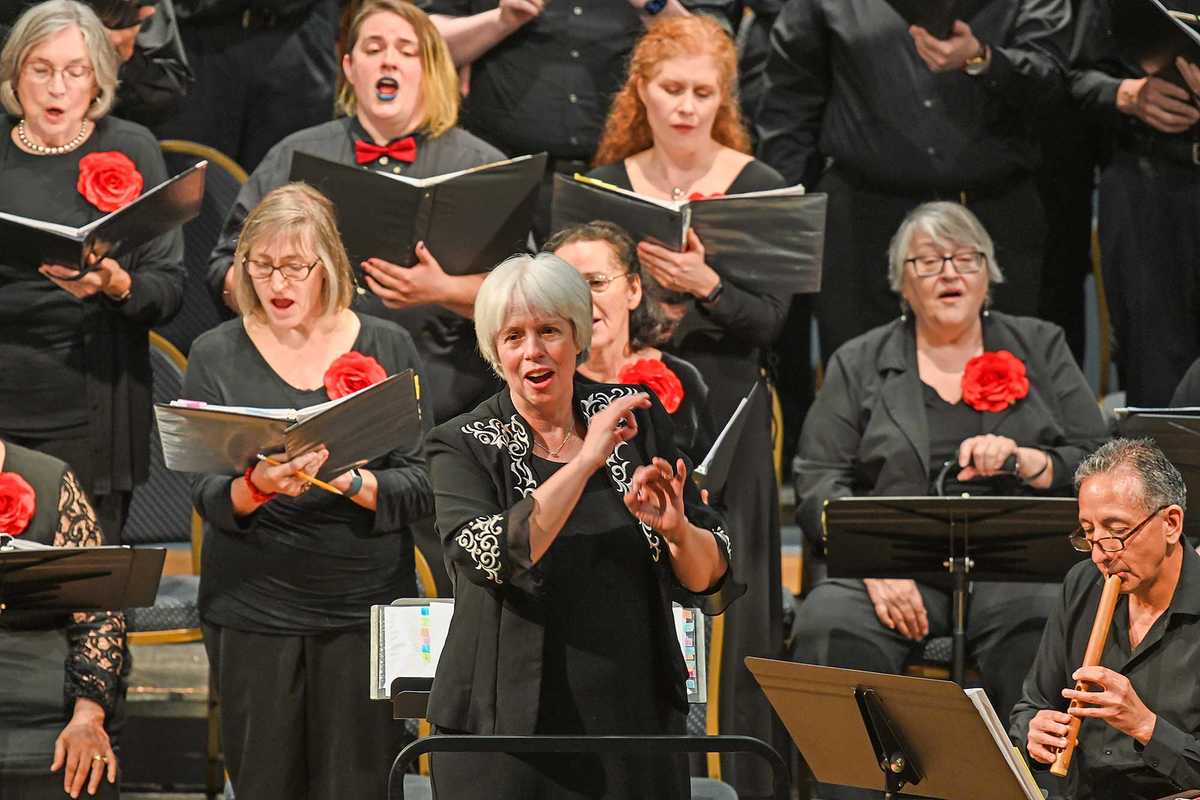




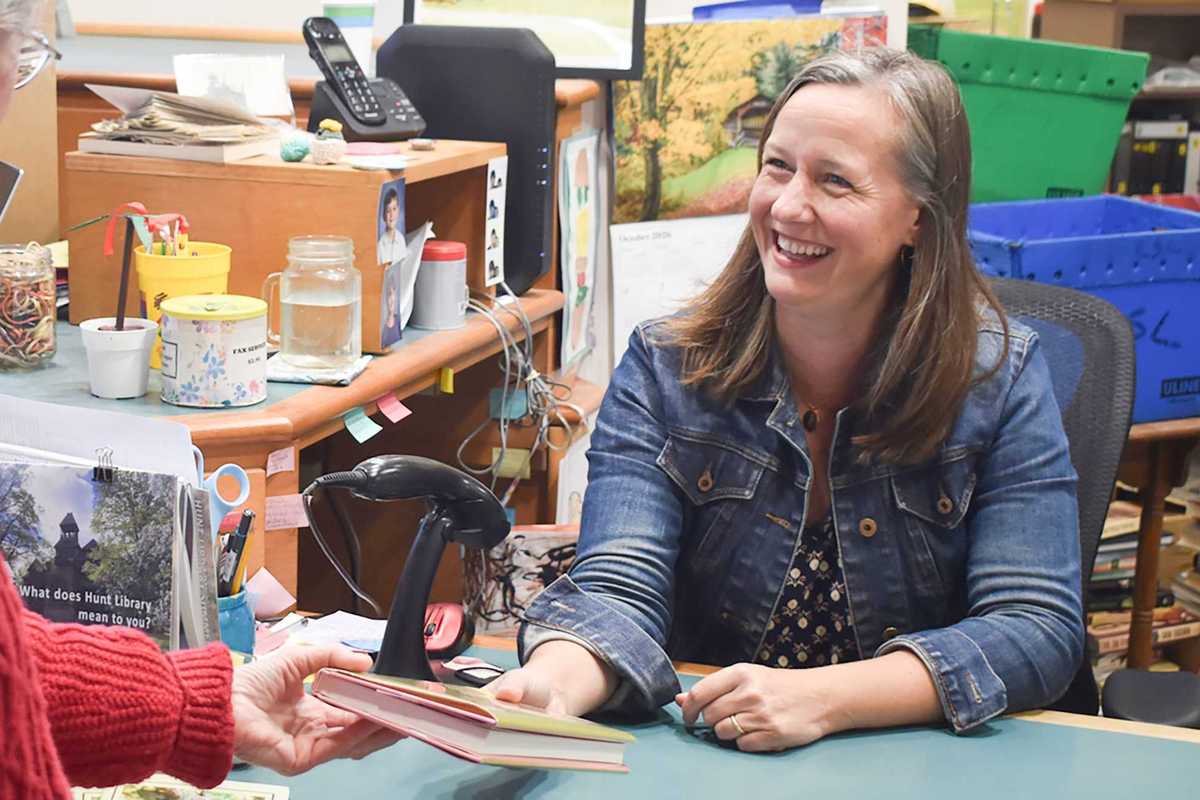
 Meg Sher, executive director of the David M. Hunt Library in Falls Village.L. Tomaino
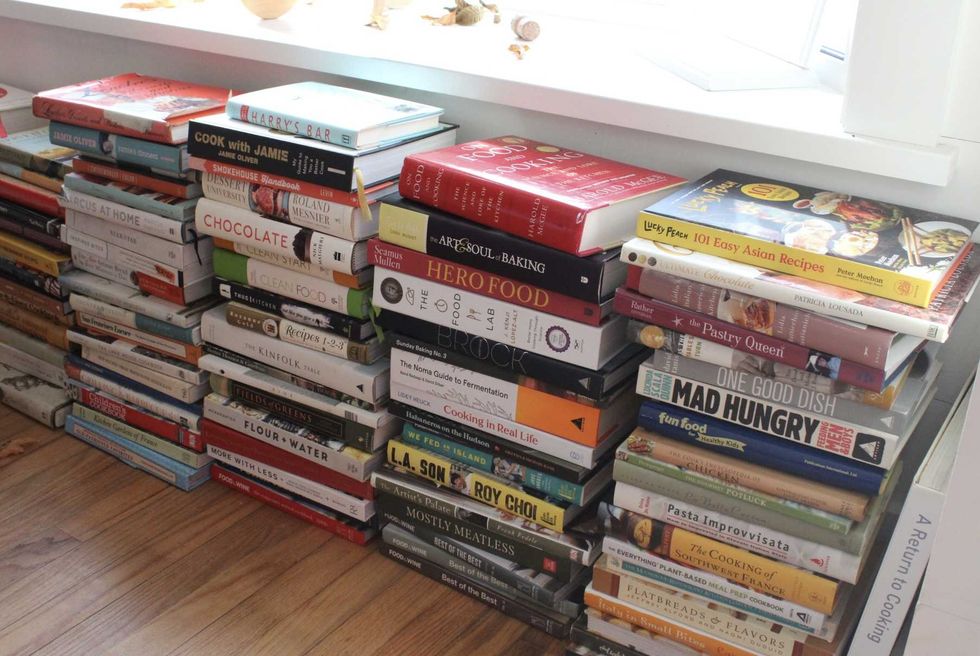 Some of the donated cookbooks that will be at the swap in Wassaic.D.H. Callahan

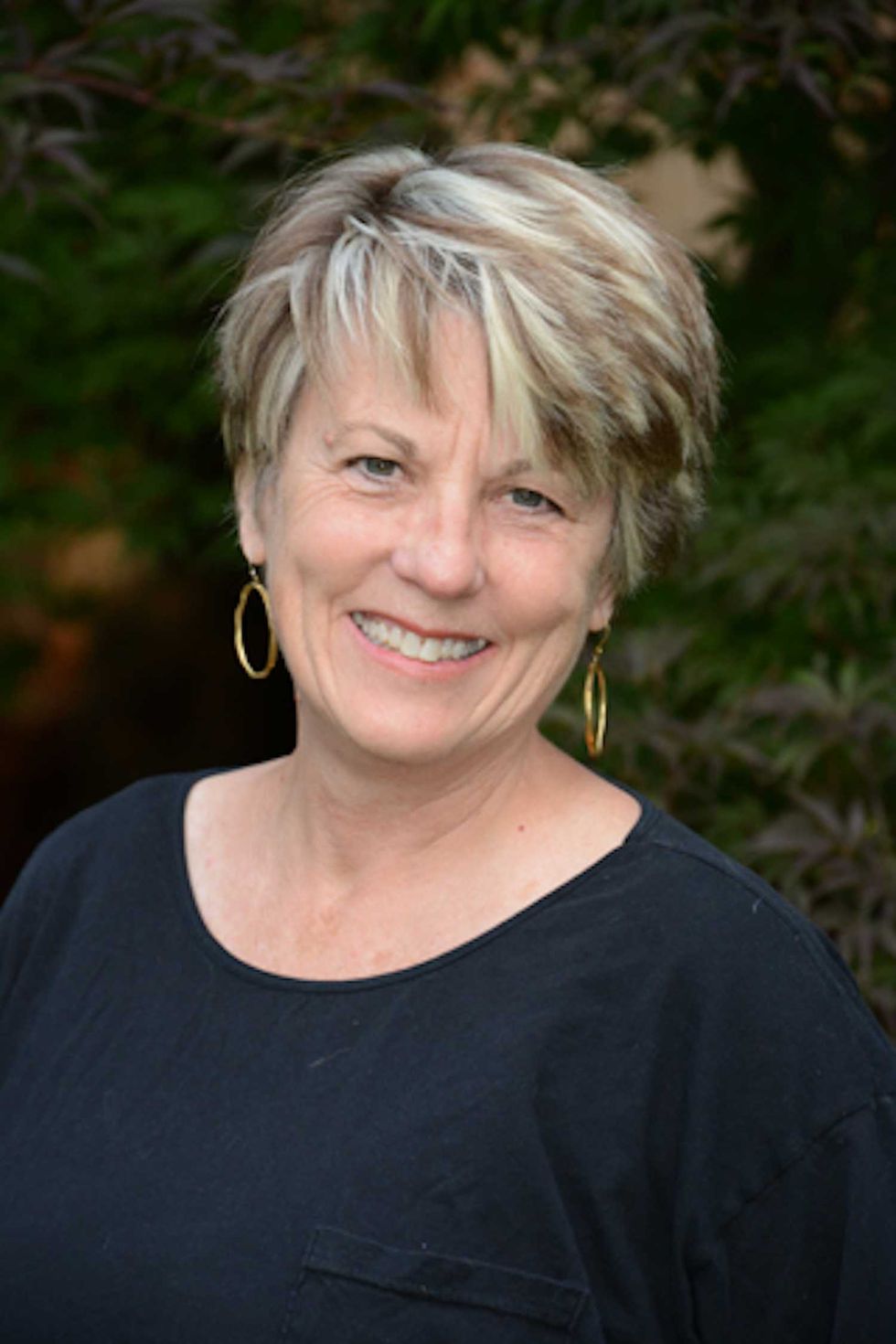 Playwright Darrah CloudProvided